Musculoskeletal and Neural Engineering
README: The videos on this page present some good examples of advances in the field of musculoskeletal and neural engineering.
Video #1 is an animation of a total hip replacement surgery from MediVisuals. Since 1960’s, total hip replacement has been successful in treating patients with severe hip degenerations. Since then, the technologies have further evolved with advances in biomechanics and biomaterials. You may watch this animation on YouTube (rather than on this page directly). To do so, please click ‘Watch on YouTube’ in the black window below while you hold down the ‘Ctrl’ key.
Video #2 shows a PBS report by Miles O’Brien on the limitations and possibilities of prosthetic arms. The conventional body-controlled prosthesis worn by O’Brien is century-old in terms of conceptual design, and is still prescribed nowadays to many amputees as basic clinical provisions. The high-tech prostheses featured often in public media are mostly prototypes in research labs. A major challenge of these prosthetic developments is the user’s reliable intuitive control.
README: Video #3 shows how intuitive use can be improved by connecting a pair of agonist and antagonist muscles. Hugh Herr shows how the technique improves his functions with his bilateral lower limb prostheses. Video #4 introduces the “targeted muscle reinnervation” approach by rewiring the transected nerves to certain muscles to amplify the original nerve signals for more intuitive control. Video #5 mentions also “targeted sensory reinnervation”, a procedure to help the patient regain a sense of touch, which is important for more nuanced hand functions. Amazing achievements and lots of potentials!.
README: Can brain signals be directly harvested for prosthetic control? Video #6 shows the potential use of an implanted transcranial device to control a robotic arm as an assistive technology. Video #7 shows collecting brain signals using an instrumented stent placed inside a cerebral blood vessel as a minimally invasive approach. Video #8 shows a completely non-invasive technique for high quality brain signals collection good enough for drone control. Again, amazing achievements and lots of potentials!
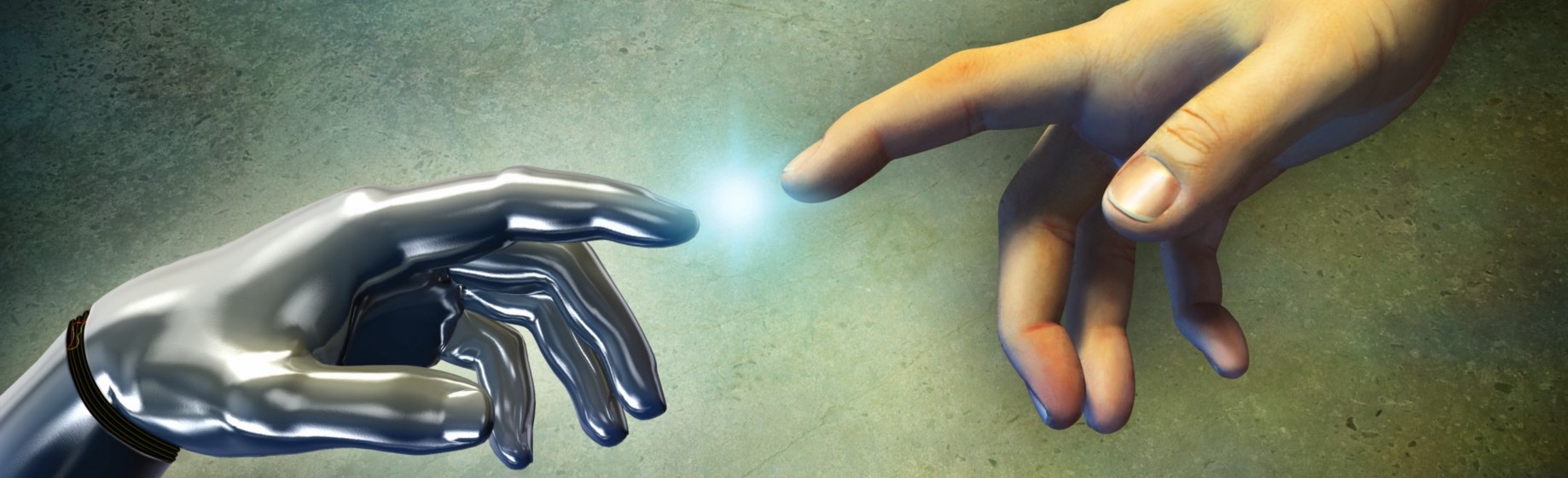
README: It is interesting to note in some of these videos the remarks about how such technologies can enable the emergence of cyborgs as super humans in the future. Ambitions aside, these bioengineering advances do provide many potentials in rehabilitation engineering to help recover quality life even for those with severe disabilities. The excitements of such possibilities can be readily perceived on the faces of the Cybathlon participants. Video #9 shows some glimpses of them.
You are welcome to contact the host to share your views on this page via the following whatsapp, telegram or email links.

